Manatee County growth strains roads, housing and public infrastructure
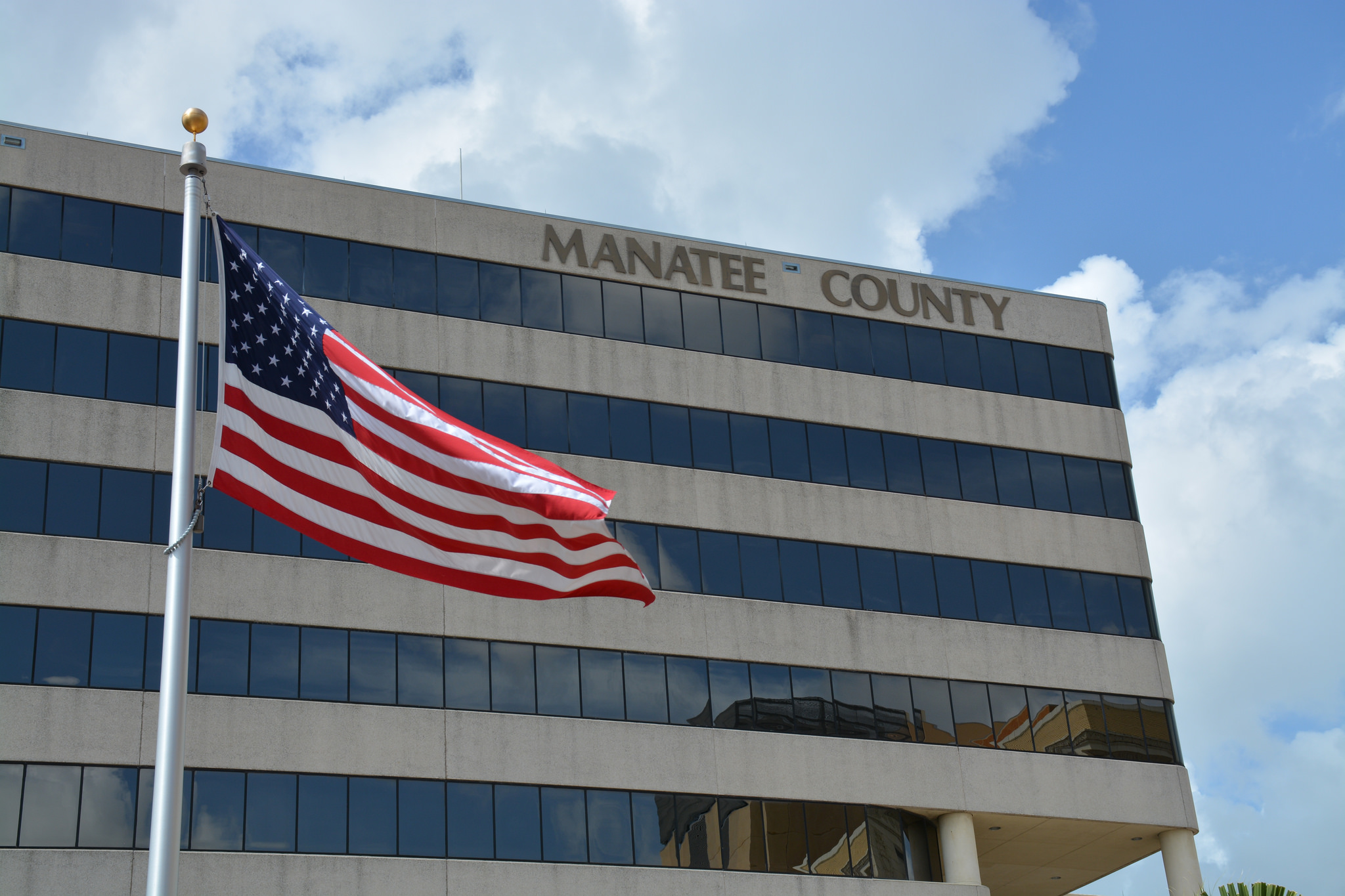
Manatee County has gained nearly 60,000 residents since 2020, according to an analysis of U.S. Census Bureau data by the Pioneer Institute. That works out to an average net population increase of roughly 32 people a day over five years.
The growth has coincided with rising home prices, worsening traffic congestion and public infrastructure struggling to keep pace, WUSF reported Nov. 1 in a story by reporter Gabriella Paul. The county is now home to nearly half a million people, according to WUSF.
Manatee County Commissioner George Kruse described the situation as the primary tension of a growing place. He said people want to be the last ones in, but new residents will keep coming.
Managing that growth effectively, Kruse said, requires developing a community "that not only is beneficial to the new people coming in, but to the people who already live here."
State policies have made that harder, he said. The Live Local Act, passed in 2023, allows qualifying affordable housing developments to proceed under certain zoning, density and height provisions that override local restrictions. Lawmakers amended or expanded the law in 2024, 2025 and 2026, according to the Florida Tribune.
In 2025, legislators passed SB 180, restricting certain local land-use and development regulations that are more restrictive or burdensome than existing requirements.
Kruse said it now feels like the county is forced to react to growth. He described a cycle of promising residents road improvements, only to see new housing developments pop up first.
"You keep promising people. Don't worry, I'm going to widen your road next. Just hold tight. I'm going to widen your road, and then all of a sudden a bunch of homes pop up, and you're like, wait, I have to at least build the road to get there."
Who's moving in
The Pioneer Institute analysis found that adults 75 and older accounted for about a third of the county's population growth since 2020, outpacing the growth among residents ages 20 to 34, who accounted for 23%.
Manatee County gained more people from other Florida counties than from other states, with the largest net gain coming from Sarasota County.
The county's household income distribution is also changing. In 2024, the largest share of household growth by income level, at 19%, was among households earning between $100,000 and $150,000. The only income group that shrank was households earning between $25,000 and $50,000, which declined by more than 1,700.
Workforce housing squeeze
Kruse said roads alone won't keep the county's teachers, police officers and hospital workers living in town.
In a WUSF "Florida Matters" podcast published Oct. 29, Kruse said local housing incentives often favor households earning up to 120% of area median income (AMI).
He argued they should focus more on lower-income residents and said smaller homes, duplexes and tiny-home communities could expand housing options without the infrastructure demands of large apartment complexes.
Shanna Hendricks, 38, a behavioral technician at nonprofit hospital Centerstone, told WUSF the problem is personal.
Hendricks, a single mother, moved into the Nest Apartments in Bradenton, a 182-unit affordable workforce housing complex built by developer One Stop Housing. She said it is the only reason she can afford to live where she works.
"If it wasn't for a place like this, I wouldn't be able to survive out here in Manatee County," Hendricks said.
Taylor Neighbors, CEO of the nonprofit Suncoast Partnership to End Homelessness, said during the WUSF discussion that Manatee County counted 931 people experiencing homelessness on one January night.
About 3,300 people experience homelessness over the course of a year, Neighbors said. Even social services workers are struggling with housing costs, Neighbors added.