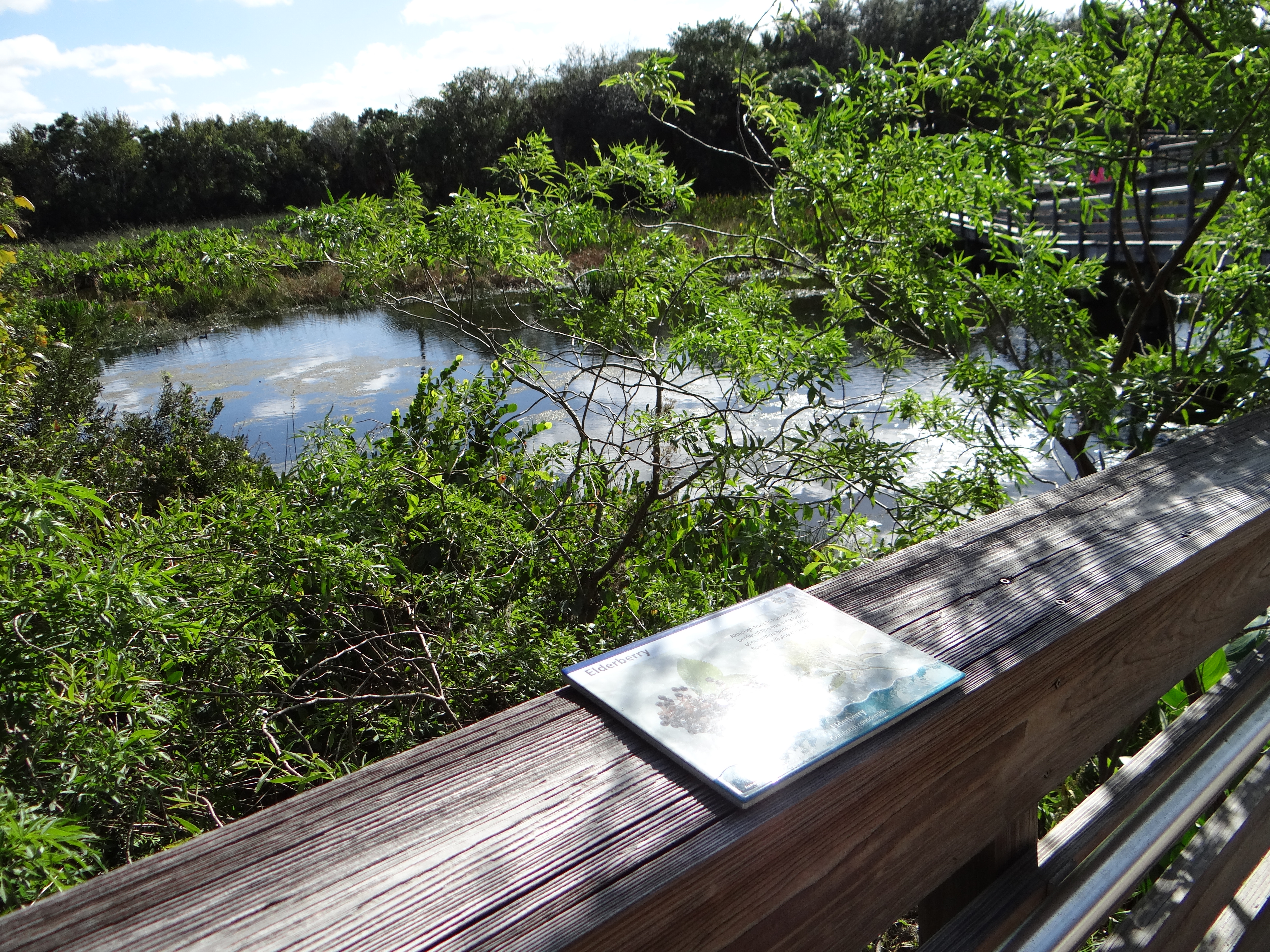
A bill in Congress would let Florida resume issuing federal wetlands permits, a change that could reshape development approvals near Lakewood Ranch.
H.R. 9017, the Restore Florida Water Independence Act of 2026, was introduced by U.S. Rep. Byron Donalds, R-Naples, in the 119th Congress and received a hearing before the House Natural Resources Subcommittee on Water, Wildlife and Fisheries on Sept. 16.
The bill has four co-sponsors, including U.S. Rep. Vern Buchanan, R-Longboat Key, whose 16th Congressional District includes Lakewood Ranch. The other co-sponsors are Republican Reps. Mike Haridopolos and Brian Mast and Democratic Rep. Jared Moskowitz.
The three-page bill would allow Florida's Department of Environmental Protection to resume administering the federal wetlands permitting program by addressing the Endangered Species Act issues that led federal courts to invalidate the program.
On March 27, the U.S. Court of Appeals for the District of Columbia Circuit upheld the invalidation of the program, concluding that the U.S. Environmental Protection Agency and U.S. Fish and Wildlife Service violated requirements of the Endangered Species Act when the federal government approved Florida's program.
Courts halted Florida's permitting program
In 2020, the EPA granted Florida's request to take over issuing certain federal wetlands permits under Section 404 of the Clean Water Act. Florida became only the third state, after Michigan and New Jersey, to administer such a program.
Environmental groups challenged the arrangement, arguing that the federal agencies failed to comply with the Endangered Species Act when approving Florida's program.
The litigation centered in part on a programmatic biological opinion and incidental take statement issued by the U.S. Fish and Wildlife Service covering Florida's permitting system. The D.C. Circuit concluded that the Fish and Wildlife Service's biological opinion and incidental take statement did not comply with federal law and that the EPA violated the Endangered Species Act by relying on the deficient documents. The appeals court also found that the EPA failed to consult with the National Marine Fisheries Service.
Those findings left in place the vacatur of the EPA's approval of Florida's Section 404 permitting program, returning responsibility for affected federal wetlands permits to the U.S. Army Corps of Engineers.
H.R. 9017 is the latest of several congressional efforts to restore the state program. Bonnie Malloy, senior attorney in Earthjustice's Florida office, told the Florida Phoenix that there have been five attempts to undo the effect of the court rulings.
Previous efforts included legislation and attempts to insert similar language into other measures.
Supporters argue state permitting would reduce delays
Supporters and opponents split sharply over H.R. 9017 during the Sept. 16 congressional hearing.
Donalds testified that the court rulings involved "procedural paperwork, not an environmental failure" and argued that restoring DEP authority would reduce federal red tape.
George Roberts, chairman of the Northwest Florida Water Management District board and co-owner of a Panhandle construction company, also testified in favor of the proposal, emphasizing permitting efficiency.
Amber Crooks of the Conservancy of Southwest Florida opposed the legislation, warning that it would reinstate a permitting system without sufficient protections for endangered wildlife.
"This is essentially a free pass for development," Crooks told the subcommittee.
Malloy told the Florida Phoenix that H.R. 9017 represents the fifth effort to reverse the effect of the court decisions.
A 2023 Bloomberg Law report cited by the Phoenix found that developers filed roughly three times as many permit applications after Florida assumed responsibility for the program. Despite the increase, Florida officials approved wetlands permits at roughly the same rate as the Army Corps had during the eight years before 2021.
Wetlands permitting could affect future development
For Lakewood Ranch, where residential and commercial development continues on previously undeveloped land, the legislation could affect which government agency handles certain federal wetlands permits for future projects.
If Florida's authority is restored, qualifying Section 404 permits could again be handled through the state DEP rather than the U.S. Army Corps of Engineers.
Buchanan is a co-sponsor of the legislation. No statement from his office specifically addressing H.R. 9017 was available. Neither the Manatee County Commission nor the Sarasota County Commission has taken a public position on the bill.
H.R. 9017 remains in the "Introduced" stage. It received a legislative hearing Sept. 16, but no floor vote has been scheduled. The bill's page on Congress.gov shows no further congressional action as of Oct. 1.



.jpg)